
- Crispy Parmesan Garlic Aubergine (Zucchini) Sticks - Golden, garlicky, and impossibly crisp.
Slow-Cooked Collagen-Rich Beef Trotters – Traditional Street Food of Pakistan
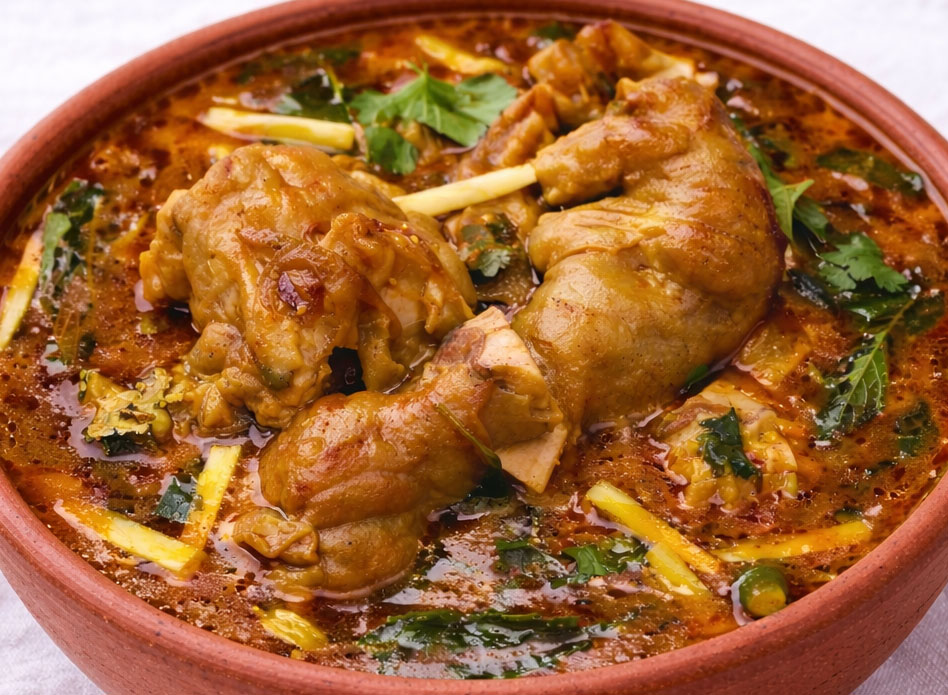
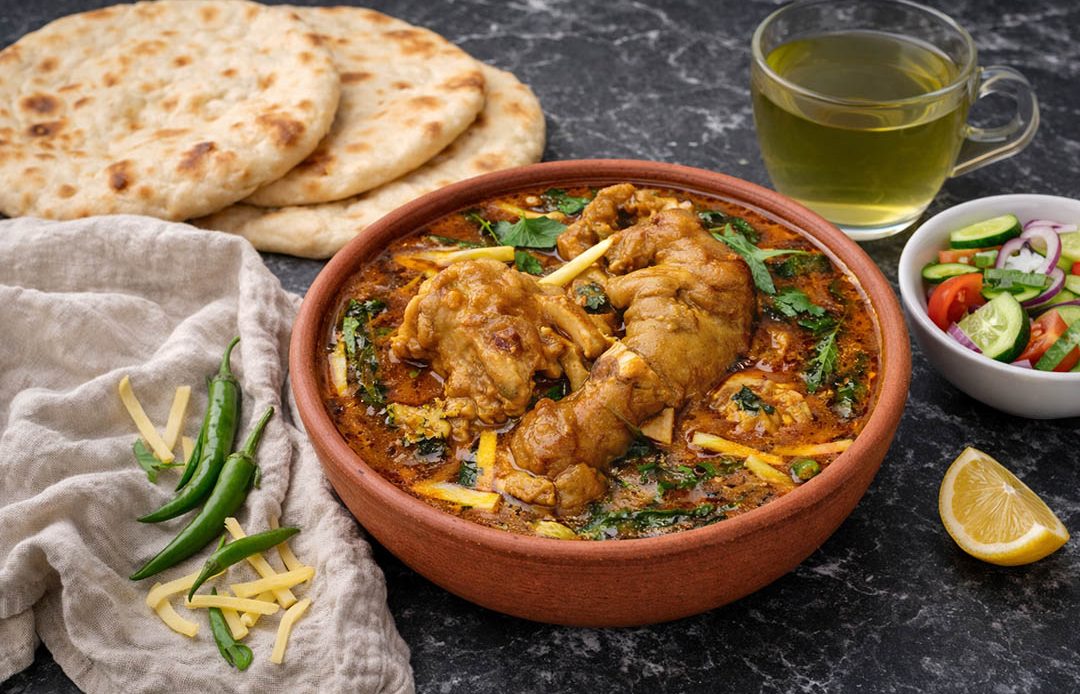
Beef (Bara/Bada) Paya is one of those extremely popular street foods, traditional dishes of Pakistan, that rewards patience with extraordinary depth of flavour. Slow-cooked beef trotters release natural collagen into the broth, creating a much richer, thicker, silkier, gelatin-laden gravy than lamb paya, that clings to the fingers and coats the palate — a clear sign of properly cooked paya.
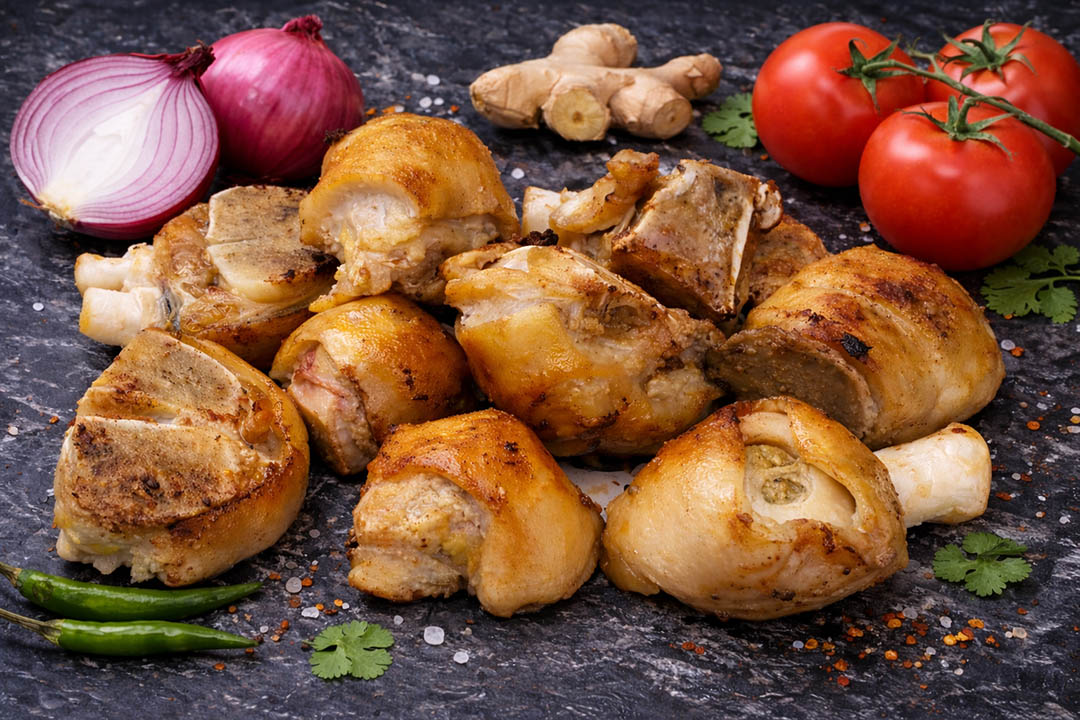
The flavour comes not from heavy spices but from careful cooking technique, especially the pre cook roasting stage and then bhuna stage. These crucial steps enhance flavours significantly by slowly cooking the trotters with aromatics until the masala transforms into a deeply concentrated paste that defines the final taste. The result is intensely savoury, comforting, and unmistakably authentic. This is where the difference of my paya stands out. Nobody roasts the paya before cooking. Once you try it, you’ll understand what a great difference of taste it brings.
It’s the kind of meal you make when you want something luxurious without spending hours in the kitchen — deeply satisfying, beautifully balanced, and impossible to stop eating. Bara Paya offers a deeper, more robust flavour profile with a thicker, more luxurious soup than lamb paya, making it exceptionally indulgent. Traditionally, this dish is also prepared with beef shank, where it is known as Bong Paye. Find the recipe here. Lamb Paye recipe is here.
This is heritage cooking — humble ingredients elevated through time, patience, and balance.
The most important step in this recipe is the bhunayee (bhuna) process. During this stage, the trotters are repeatedly cooked and stirred with the base masala until the gelatin, aromatics, and oil combine into a homogeneous paste. This gradual reduction intensifies flavour and ensures the spices penetrate deeply into the paya.
Another defining characteristic of well-made beef paya is its naturally gelatinous texture. When properly cooked, the broth becomes slightly sticky and coats the fingers — this is not excess fat, but dissolved collagen from the bones and connective tissue. This is the hallmark of authentic paya.
Onions and tomatoes are deliberately kept minimal in this recipe as any more than recommended take away the taste of paye. Excess onion introduces sweetness that disturbs the traditional balance. Extra tomatoes increase acidity and sourness. Some folks also use yogurt, but for me, that’s strictly a ‘no-go zone’. The result here is a clean, robust, spice-forward flavour that remains deeply savoury rather than sweet.
The Best Ingredients
Freshly cleaned trotters are essential. Proper cleaning removes odour while allowing the natural gelatin and marrow to enrich the broth.
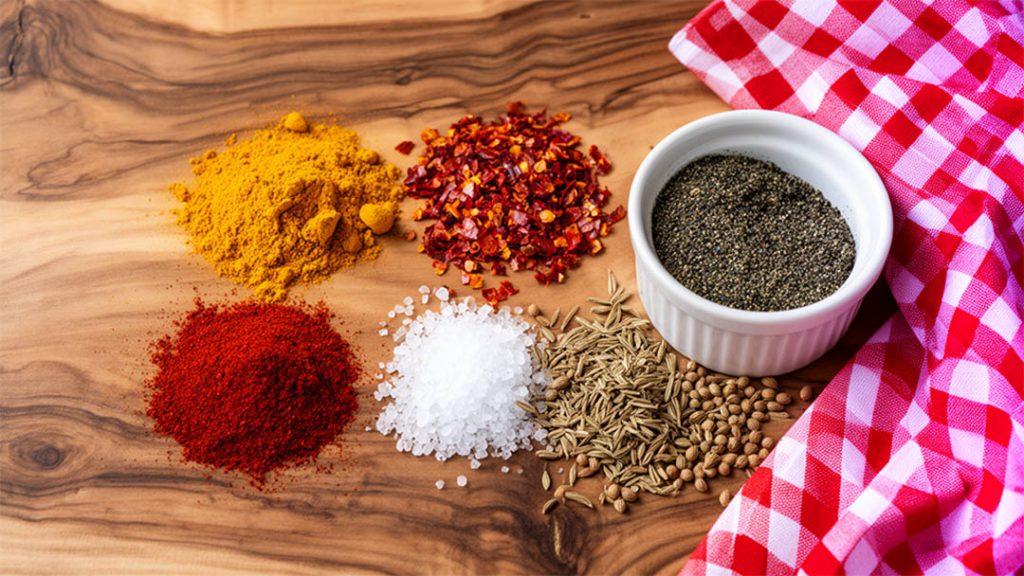
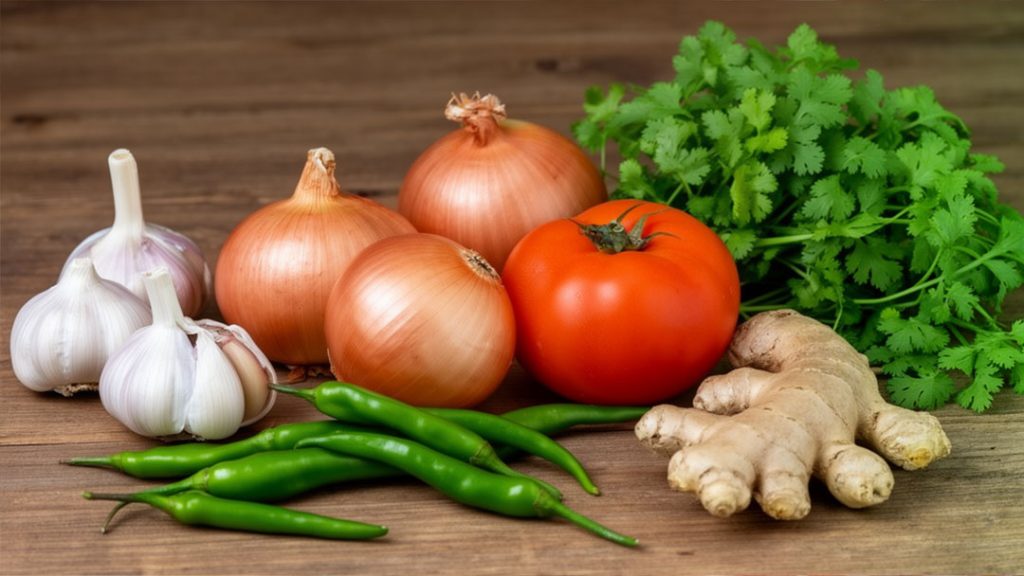
Whole garlic, fresh ginger, and modest aromatics create depth without overpowering the natural flavour of the beef paya. Kashmiri chilli provides colour without excessive heat, while cumin and coriander build warmth and body.
The balance is intentional — nothing dominates, everything supports the slow extraction of flavour.
Great paya is about restraint, patience, and technique.
Proper paya is not rushed — the pre cooking roasting, followed by bhuna stage builds flavour that no shortcut can replace.
👉 Slow-Cooked Collagen-Rich Traditional Dish That Is Seriously Good and Addictive. It may sound unfamiliar, but try it once — you’ll understand why it’s so loved
Lamb trotters: Extremely rich in collagen, gelatin, and amino acids supporting joint health, skin elasticity, and connective tissue repair
Garlic & ginger: Anti-inflammatory and immune supporting
Bone collagen: Supports gut lining and digestion
Natural gelatin: Promotes satiety and joint lubrication
Turmeric: Anti-inflammatory and antioxidant rich
(Always adapt seasoning levels to personal dietary advice.)
High-protein diets
Traditional recovery diets
Joint health support diets
Cold weather nourishment
Carbohydrates: Very Low
Sugar: Very Low
Fat: Moderate–High
Saturated fat: Moderate
Sodium: Adjustable
Protein: High
Suitable For (Expanded & Clear)
Low-carbohydrate diets: Naturally very low in carbohydrates
High-protein diets: Collagen-rich protein supports tissue repair
Joint health support: Natural collagen and gelatin content
Gut health diets: Gelatin may support digestive lining
Not Ideal For (Without Modification)
Low-fat diets: Naturally rich broth
Low-sodium diets: Salt may need reduction
Cholesterol-restricted diets: Consult dietary advice
Nutritional Highlights (Clear & Honest)
Per Serving (Approximate)
Calories: ~420 kcal
Protein: ~32 g
Carbohydrates: ~3 g
Sugars: <1 g
Total Fat: ~28 g
Collagen: High (natural source)
Nutritional Summary
Very high collagen
High protein
Very low carbohydrate
No refined sugars
Naturally filling and warming
Tip: Skimming surface fat after cooking reduces total fat significantly.
Try These Next - Because One Good Recipe Always Leads To Another!
1. How to Cook This Salivating Paya Dish
This recipe is simple in ingredients, but technique and patience determine the final flavour:
- Brown roast the paya in an oven for 20 minutes at 200°C (350°F – Gas Mark 4)
- Fry onions gently until just translucent — not browned
- Allow garlic and ginger to cook fully to remove rawness
- Cook the masala slowly until softened before adding the paya
- Perform the bhuna stage patiently to develop deep flavour
- Add small amounts of water repeatedly to intensify the masala
- Simmer gently for long cooking so collagen releases naturally
- Avoid stirring once tender to keep meat intact
Cooking slowly and respecting the bhuna process ensures authentic flavour, rich texture, and perfectly gelatinous broth.
2. A Recipe That Always Delivers
This is a dependable traditional dish that delivers extraordinary depth of flavour through simple ingredients and time-tested technique. It works equally well as a comforting family meal or a special weekend preparation, offering warmth, nourishment, and deeply satisfying richness.
Let’s talk. And enjoy this slow-cooked, collagen-rich paya with soft naan and a squeeze of lemon.
This is the kind of dish people keep reaching for — rich, glossy broth, tender meat falling from the bone, and that unmistakable gelatinous texture that signals perfectly cooked paya.
Looking for other savoury pasta recipes? Try these:
If you enjoy recipes that deliver deep flavour with simple technique rather than fuss, then paye dish is traditional breakfast in Lahore and Peshawar, extremely popular, addictive!