
Silky spaghetti tossed with garlic, extra virgin olive oil, parsley and Parmesan — a timeless Italian classic built on pure simplicity.
Spaghetti Aglio e Olio is proof that great cooking doesn’t need complexity. This iconic Italian pasta from Naples in southern Italy transforms just a few everyday ingredients — spaghetti, garlic, and extra virgin olive oil — into a dish that is deeply comforting, fragrant, and surprisingly elegant. Rooted in the tradition of cucina povera, where simple pantry staples are elevated through technique, it celebrates the idea that humble ingredients can create extraordinary flavour.
Despite its simplicity, the dish relies on balance and careful cooking. When properly prepared, the spaghetti becomes silky and glossy, emulsifying with olive oil and a little starchy pasta water to form a delicate sauce that coats every strand. Gently infused garlic adds warmth and aroma, while fresh parsley and Parmesan bring brightness and subtle richness.
In Italy, Aglio e Olio is also famous as a late-night pasta. After evenings out when restaurants are closed but hunger remains, many Italians turn to this dish because it can be made quickly from ingredients almost every kitchen already has. With pasta, garlic, olive oil, and perhaps chilli flakes, a satisfying meal comes together in minutes.
What makes Spaghetti Aglio e Olio so timeless is its perfect balance of simplicity, speed, and flavour. With good olive oil, properly cooked pasta, and fragrant garlic, this humble dish becomes something comforting, aromatic, and irresistibly satisfying.
The Best & Freshest Ingredients
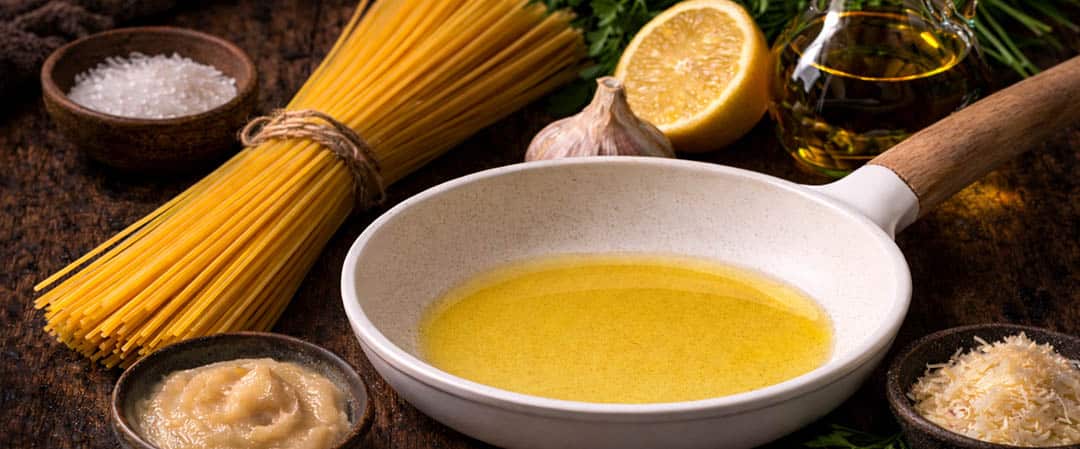
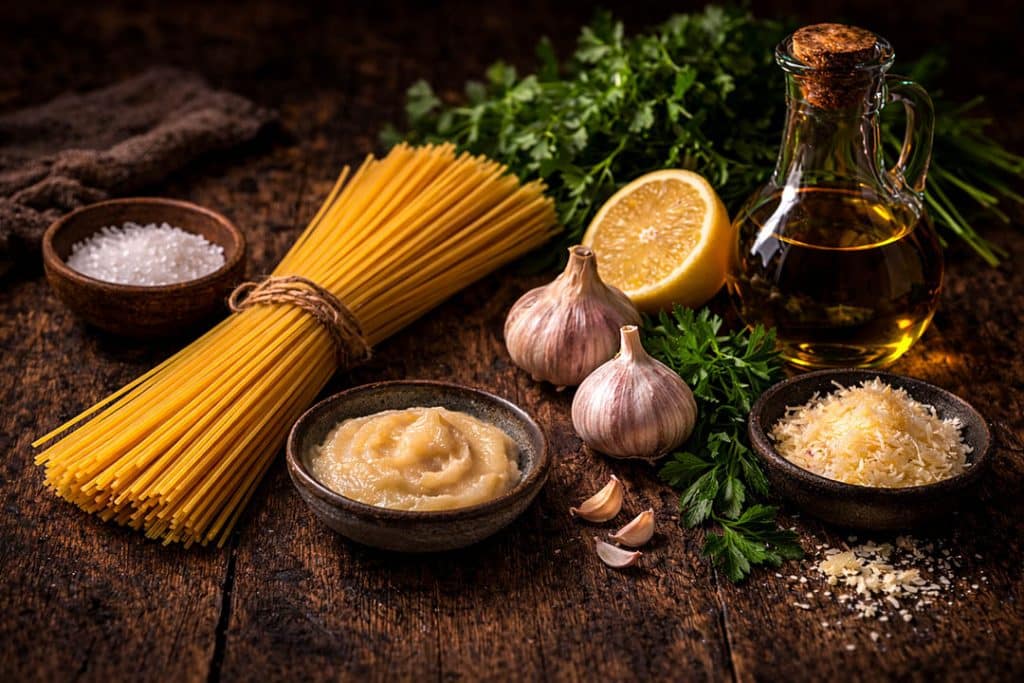
High-quality spaghetti is essential. Choose bronze-cut Italian durum wheat spaghetti, which has a slightly rough surface that helps the olive oil cling to the pasta. Traditional brands made from 100% durum wheat semolina provide the best texture and flavour. The pasta should cook firm and springy (al dente) rather than soft.
Cold-pressed extra virgin olive oil is the heart of the dish. Use high-quality organic extra virgin olive oil, ideally cold-pressed and unfiltered. Good olive oil gives the pasta its characteristic silky texture and aromatic flavour, so choose one that is fruity, slightly peppery, and vibrant green-gold in colour.
Fresh garlic provides the signature aroma. Use fresh, firm garlic cloves rather than jarred garlic. When gently warmed in olive oil, the garlic releases sweetness and fragrance that defines the dish. Thinly sliced garlic works best as it infuses the oil evenly without burning.
Fresh parsley adds brightness and balance. Flat-leaf parsley is preferred for its deeper flavour. Finely chopped parsley brings freshness, colour, and a light herbal contrast to the richness of the olive oil.
Parmigiano Reggiano or good-quality Parmesan adds savoury depth. Always use freshly grated cheese rather than pre-grated varieties, which often contain anti-caking agents that dull flavour and texture. Parmigiano Reggiano provides nutty, salty complexity that complements the garlic and olive oil beautifully.
Sea salt enhances the pasta and seasons the cooking water. Use fine sea salt or kosher salt in the pasta water so the spaghetti cooks fully seasoned from within.
Lemon (optional but recommended) can add brightness when served on the side. A light squeeze of lemon lifts the flavours and balances the richness of the olive oil. But I prefer to add the zest when cooking.
Pasta cooking water is a key ingredient. The starchy water released during boiling helps emulsify the olive oil, creating the silky coating that binds the sauce to the spaghetti.
Great Aglio e Olio isn’t about frying garlic — it’s about infusing it.
Garlic should gently release its aroma into warm olive oil. Slow infusion creates sweetness and fragrance without the bitterness that comes from burnt garlic.
- Durum wheat spaghetti: Provides complex carbohydrates for sustained energy and contains protein that helps maintain the pasta’s firm structure when cooked al dente.
- Extra virgin olive oil (cold-pressed): The foundation of the dish, contributing heart-healthy monounsaturated fats, antioxidants, and a rich, fruity flavour that creates the silky coating on the pasta.
- Fresh garlic: Adds aromatic depth and natural sulphur compounds associated with cardiovascular and immune health while defining the characteristic flavour of Aglio e Olio.
- Flat-leaf parsley: Brings freshness, colour, and mild herbal brightness while providing small amounts of vitamin C, vitamin K, and natural antioxidants.
- Parmigiano Reggiano / Parmesan: Adds savoury umami richness, calcium, and protein while enhancing the depth of flavour without needing heavy sauces.
- Sea salt: Essential for properly seasoning pasta water so the spaghetti absorbs flavour from within rather than relying only on surface seasoning.
- Lemon (optional): A light squeeze of lemon can add acidity and freshness, helping balance the richness of olive oil and cheese.
- Pasta cooking water: The natural starch in the water helps emulsify olive oil with the pasta, creating the signature glossy sauce that binds the dish together.
- Carbohydrates: Moderate–High
Sugar: Very Low
Fat: Moderate
Protein: Low–Moderate
Sodium: Moderate (depends on Parmesan and salt used)
Suitable for:
Vegetarian diets
Mediterranean-style diets
Simple whole-food diets
Not ideal for:
Low-carb / Keto diets
Strict vegan diets (contains Parmesan cheese)
Low-sodium diets (if heavily salted or with large amounts of cheese)
Carbohydrates: Moderate–High
Sugar: Very Low (natural sugars only)
Fat: Moderate (mostly monounsaturated from olive oil)
Saturated Fat: Low–Moderate (mainly from Parmesan)
Sodium: Adjustable
Per Serving (Approx., 1 portion – ~100g dry spaghetti + olive oil + Parmesan)
Nutritional Highlights (Per Serving – Approx.)
Calories: ~420–520 kcal
Protein: ~12–16 g
Carbohydrates: ~60–70 g
Sugars: ~2–3 g (naturally occurring)
Total Fat: ~14–22 g
Saturated Fat: ~3–5 g (mostly from Parmesan)
Fibre: ~3–4 g
Sodium: Moderate (varies depending on salt and Parmesan used)
Try These Next - Because One Good Recipe Always Leads To Another!
1. How to Prepare This Classic Pasta
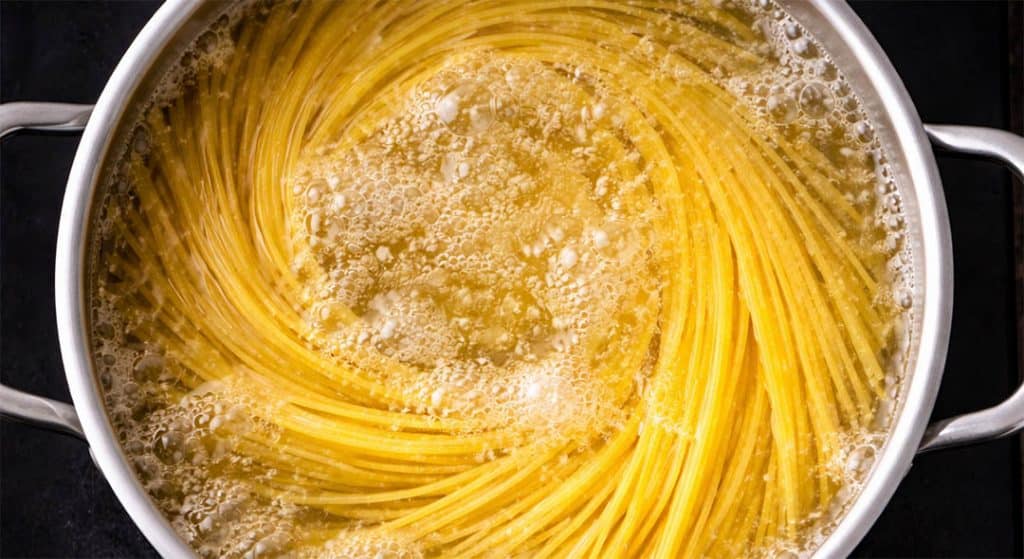
Cook the spaghetti in well-salted boiling water until just al dente. While the pasta cooks, gently warm sliced garlic in extra virgin olive oil over low heat so it infuses the oil without burning.
Transfer the spaghetti directly into the pan with the garlic oil and add a few tablespoons of reserved pasta water. Toss continuously so the oil and starch emulsify into a silky coating that clings to the pasta. Finish with fresh parsley and grated Parmesan, toss briefly, and serve immediately while glossy and aromatic.
A Simple Classic That Never Disappoints
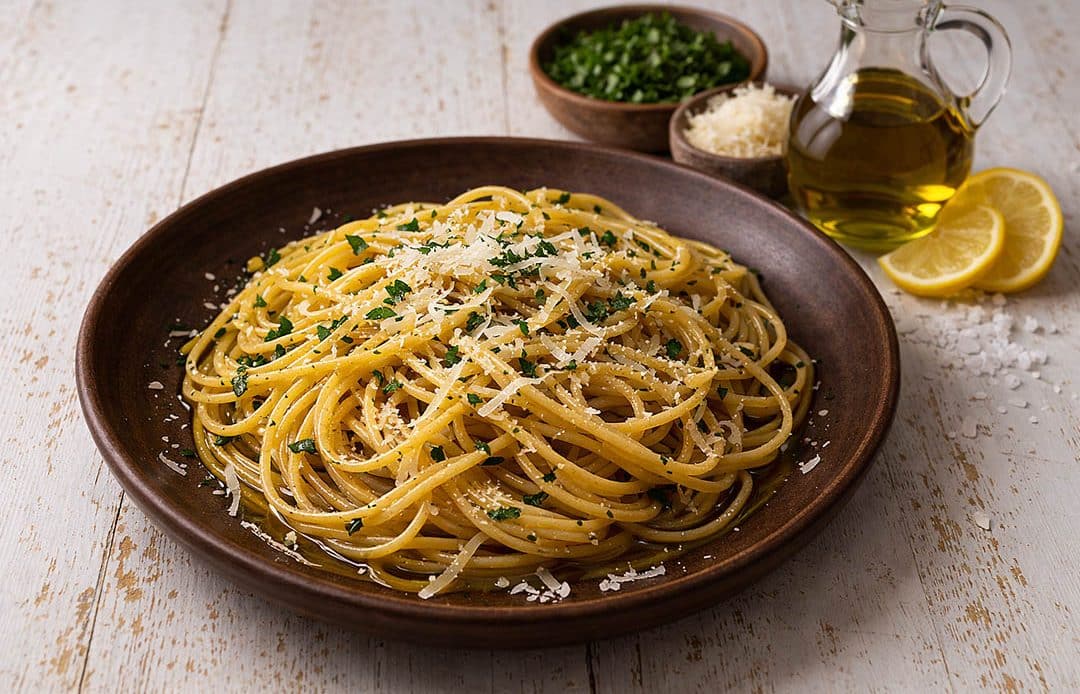
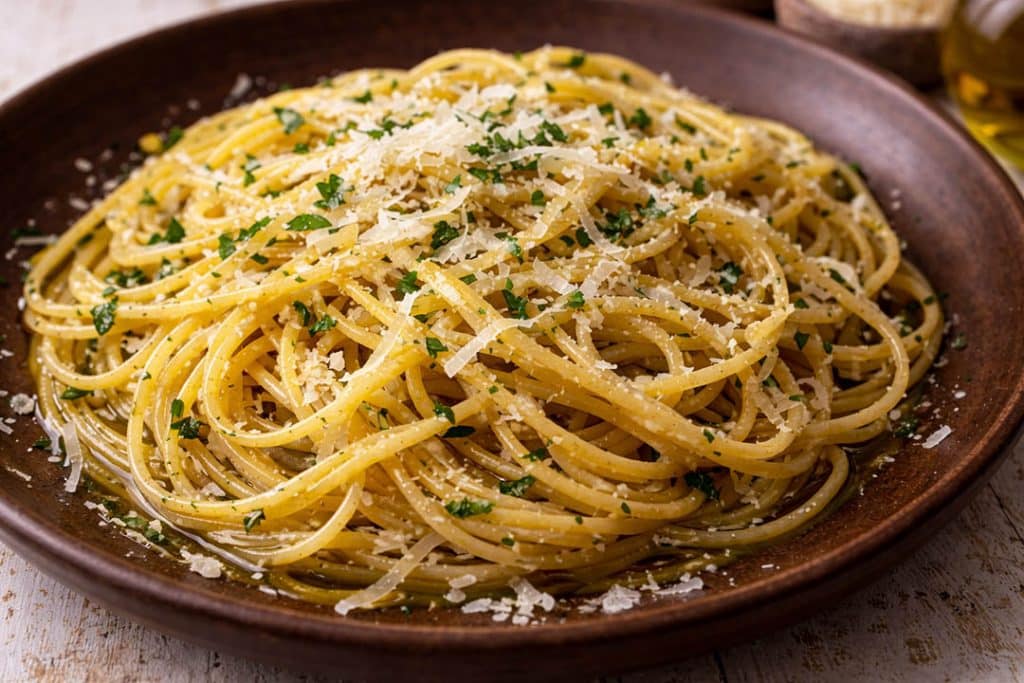
When spaghetti becomes silky and lightly glossy, coated in fragrant garlic-infused extra virgin olive oil, the technique has worked. Finished with fresh parsley and a light snowfall of Parmesan, this dish delivers the perfect balance of aroma, richness, and simplicity — proving that just a few ingredients can create something deeply comforting and irresistibly satisfying.
Ingredients don’t get simpler than this. Careful technique too — when spaghetti meets fragrant garlic, extra virgin olive oil, and a touch of Parmesan, it transforms into a silky, aromatic dish that is quietly addictive and timelessly comforting.
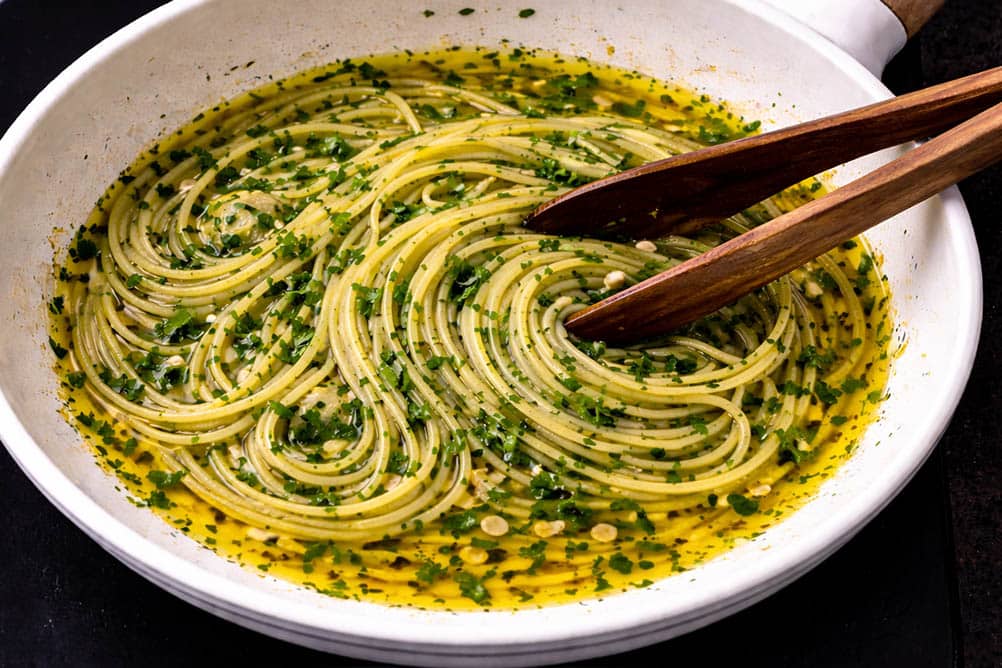
Spaghetti aglio e olio is about simplicity, balance, purity — good pasta, fragrant garlic, and excellent extra virgin olive oil coming together through simple technique to create something silky, aromatic, and deeply satisfying.
Serve immediately while the pasta is hot and glossy. A final sprinkle of Parmesan, fresh parsley, and a drizzle of olive oil turn this humble dish into a bowl worth gathering around.